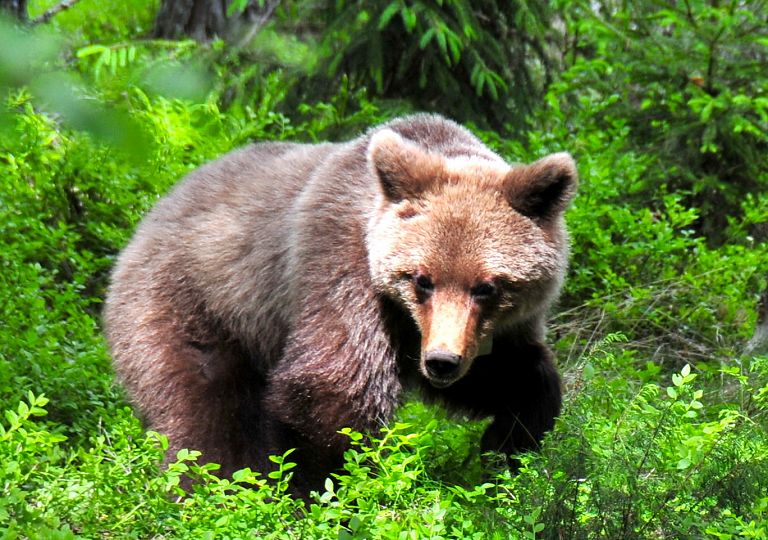
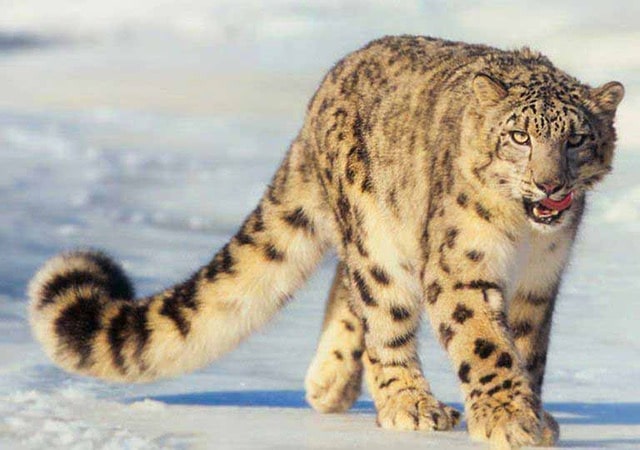
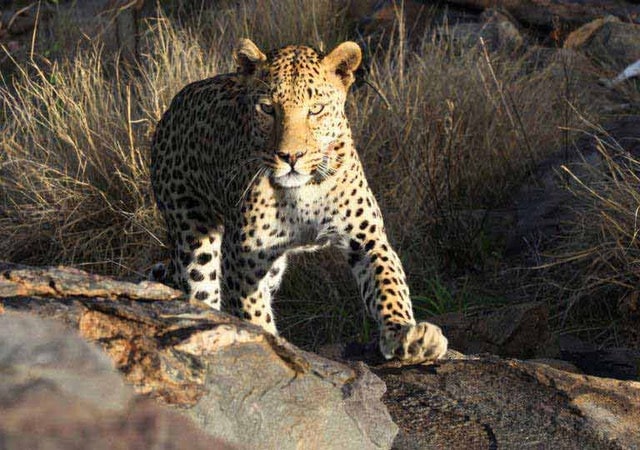
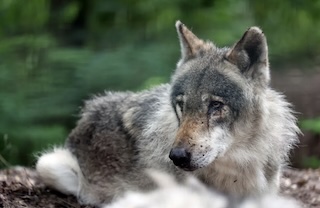
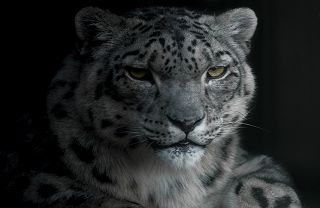
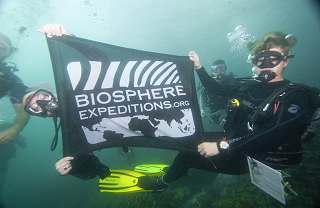
In a nutshell, Biosphere Expeditions is about conservation volunteering abroad and citizen science expedition travel.
We offer citizen science and wildlife conservation expeditions all over the world, green campaigning and events. All of them are open to everyone, there are no special skills or level of fitness required to join and there are no age limits whatsoever.
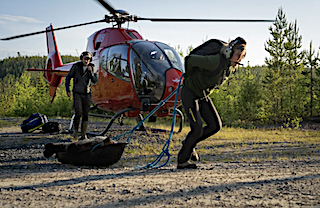
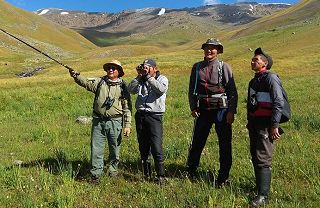
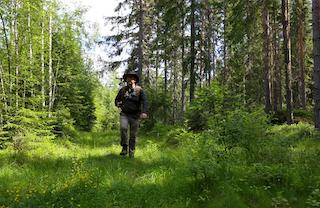
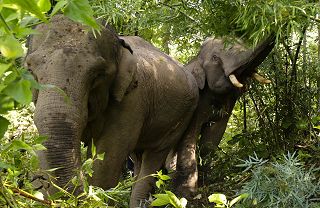
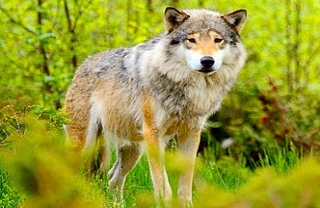
First and foremost, there are our citizen science volunteer expeditions working in wildlife conservation. These are true wildlife research and conservation expeditions, which last from one to two weeks per expedition group, and offer you opportunities to volunteer in wildlife conservation, explore fascinating parts of the world, have the adventure of a lifetime and get truly hands-on. On our wildlife volunteer programs, you’ll be learning about and working in wildlife conservation, immersed in the subject out in the field with local scientists and people.
Whilst on volunteering on expedition, English is our language of communication for the international team of scientists, helpers and team members.
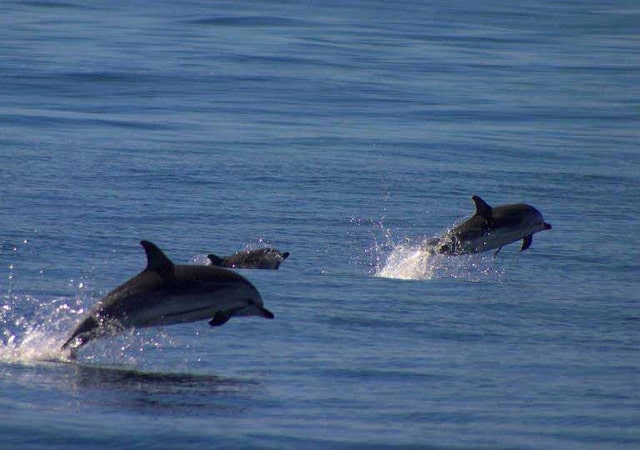
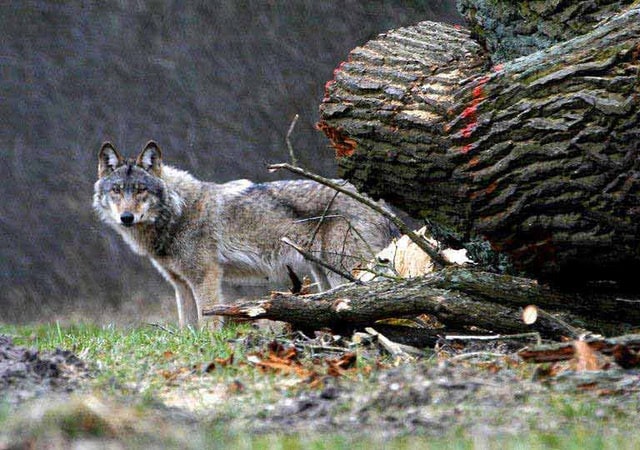
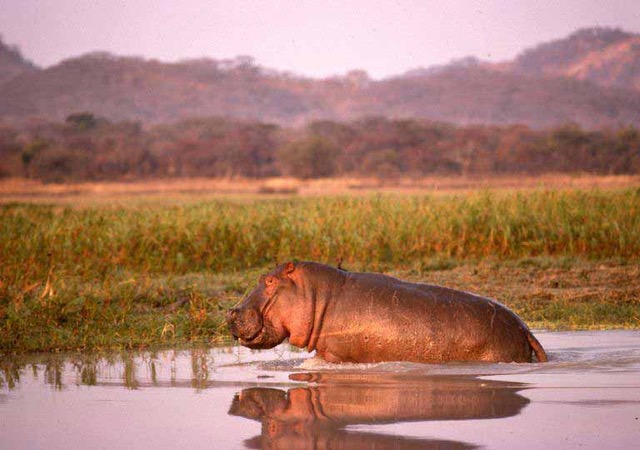
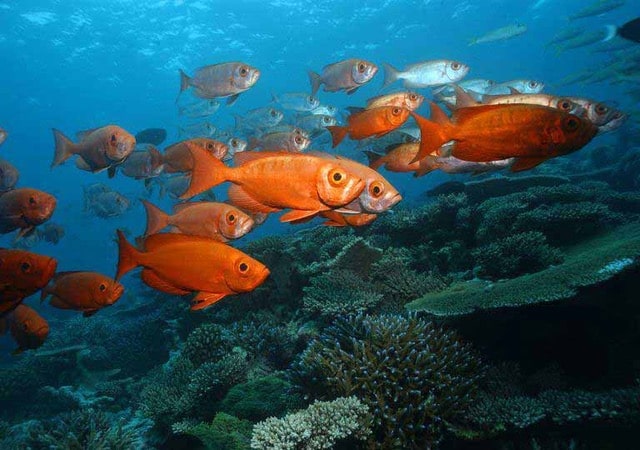
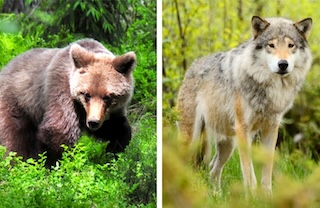
The wildlife volunteer opportunities we have for you are varied: there are marine and terrestrial expeditions, expeditions to Africa, Europe, the Americas and all over the rest of the world. Have a look at our expeditions map for where we operate.
Campaigns
We have various green campaigns such as our Do More campaign, 20 tips on how to be (radically) green, 10 tips on how to avoid the charlatans in wildlife conservation volunteering and our donation campaigns.
These days it is hard to find a worthwhile volunteering experience that achieves genuine and tangible benefits. The market is full of profit-driven, unscrupulous operators, which do little for local wildlife at best and are harmful to it, and local communities, at worst (see our Top Ten Tips on choosing a wildlife volunteering experience on this topic and how to avoid the charlatans, as well as our opinion piece on voluntourism in nature conservation).
Committment and expedition leaders
At Biosphere Expeditions we carefully select long-term projects, always run by scientists embedded locally, that make a significant conservation impact (see our achievements). We make them feasible by providing the workforce (you) and funding (amongst other things your expedition contribution), and we don't just go there once, we keep going back until the work is done, even if it takes years. Your presence, your expedition contribution and the work you put in, are the reasons the research can be carried out. But it does not stop there. We are not just an administration body funding research and sending conservation expedition volunteers into the field. We get actively involved, with an expedition leader on every project. This leader stays with the expedition for the entire duration as an integral part of the expedition team, participating in the research, working, eating and staying with you, and generally making sure that things run safely and smoothly. Of course, the expedition leader is also there to provide guidance and leadership, to take care of any problems as they arise, and to be an interface between the expedition team, the local scientists and the local population.
We also have unique policies of non-growth and vegetarian food on expedition. To our knowledge we are the only wildlife conservation volunteering organisation with such progressive policies, if not the only conservation NGO with a meat-free policy, as many others appear to be too frightened to grasp that nettle.
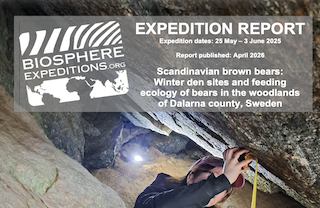
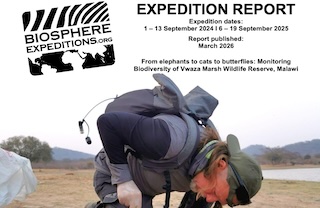
After expedition travel comes serious science: We publish our expedition research results and finances in a clear and transparent way. As far as we are aware, Biosphere Expeditions is the only organisation in the world that has a direct and transparent link between the work done by citizen scientists and an expedition report. Each expedition year is matched by an expedition report for that year, which deals with the two main areas that expedition participants contribute to: funding and data collection. Chapter 1 of each report, written by Biosphere Expeditions, reviews the expedition logistics and publishes an expedition budget, which shows in a clear and transparent way income and expenditure for each expedition and the percentage of income spent on the project. Chapter 2 onwards, written by the expedition scientist, shows who collected what data, how they were analysed, what the conclusions were, as well as the conservation recommendations and actions flowing from this, and what future expeditions should do. In this way, each expedition comes full circle for its participants. We believe this transparency, and the clear results that are generated by each expedition, are two reasons why so many people come back time and again on expedition adventures with us.
Our overall research output is impressive. Just have a look at our ResearchGate page, which lists our expedition reports as well as articles in peer-reviewed science journals, presentations given and more.
But all of this is just us talking about ourselves. There is independent confirmation too, such as our many achievements and the multitude of awards we have won. We have been involved in the creation of protected areas, as well as species and habitat protection and action plans all over the world, have won awards such as the “Best Volunteering Organisation” award at the international Responsible Tourism Awards in London and an environment award from the German Minister for the Environment – the list goes on and you can see all our awards and achievements on our website. More independent confirmation comes from participant feedback or the media coverage we receive.
We know this is a problem these days, with profit-driven expedition travel operators trying unscrupulously to take advantage of people's goodwill and enthusiasm. This is why we have come up with our Top Ten Tips on choosing a wildlife volunteering experience (below) and our opinion piece on voluntourism in nature conservation.
The Top Ten Tips are:
1. Reputation, reputation, reputation: has the organisation won awards or accolades, who are they associated with, what is their philosophy, do they write & publish their results and what’s their safety record.
2. Qualified staff: work should be led by qualified & proven experts, group leaders should be well qualified and all staff should be well briefed on risks and safety issues.
3. Where does your money go: good organisations will always publish clear information that shows how your money is spent.
4. Proper follow-through: a good organisation will, through updates and reports, keep you informed about how the project progresses even after you’ve left.
5. What will you get out of it: be clear about what you want to get out of the experience - training, self-development, an adventure - then check whether the organisation is clear in communicating what’s on offer for you.
6. Community involvement and benefit: understand a project’s relationship to the local community and make sure that the organisation is properly embedded with locals efforts and people – does the community benefit, have they given consent for work to be carried out, how have they been involved. Is there training for locals, scholarships, capacity-building, education, etc.
7. Your fellow participants: understand the profile of the people that will share your trip by checking the organisation’s website and social media sites.
8. In the field: check that the organisation is clear & transparent about what will be happening day to day, the accommodation, food and other logistics, and also what is expected of you.
9. Captive animals: if the experience involves captive animals, be very clear on the purpose of the captive facility, where the animals come from and whether it is part of a reputable programme.
10. Handling animals: steer clear of organisations that encourage handling of captive wild animals for anything other than essential veterinary or neo-natal surrogate care. If wild animals are handled, it should only be for essential research & conservation work and following strict animal welfare guidelines.