|
||||||||||||||||||||||||||||||||||||||||||||||||||||||||||||||||||||||||||||||||||||||||||||||||||||||||||||||||||||||||
| ||||||||||||||||||||||||||||||||||||||||||||||||||||||||||||||||||||||||||||||||||||||||||||||||||||||||||||||||||||||||
| ||||||||||||||||||||||||||||||||||||||||||||||||||||||||||||||||||||||||||||||||||||||||||||||||||||||||||||||||||||||||
Home
|
||||||||||||||||||||||||||||||||||||||||||||||||||||||||||||||||||||||||||||||||||||||||||||||||||||||||||||||||||||||||
|
|
Wild Africa junction: Studying lions, leopards, cheetahs and other megafauna in the Caprivi delta of Namibia, Botswana and Zambia.
Price/dates/status
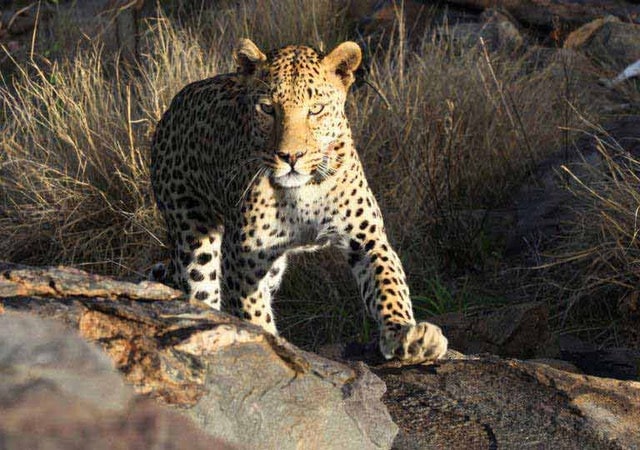
On these wildlife volunteering vacations you will start at Victoria Falls in Zambia and then travel to the Caprivi delta of Namibia and Botswana to study lions, cheetahs and leopards and their interactions with the local human population. The Caprivi delta boasts the same amazing array of African megafauna as the Okavango or Chobe National Park, but without the crowds. In fact, it is virtually unexplored and unmapped, and your job on the expedition will be to track, capture and relocate (if necessary) lions, cheetahs and leopards in order to mitigate human-wildlife conflict. You will also help our scientists to map the area properly and talk to local people about how predators and people can live side by side.
DetailsThese wildlife volunteering vacations will conduct a survey of five of Africa’s large carnivore species (lion, leopard, spotted hyaena, cheetah and wild dog) their dominant prey species (cape buffalo, giraffe, red lechwe, puku, sitatunga, roan antelope, kudu, Burchell’s zebra, blue wildebeest, warthog, bushpig, impala, common duiker, steenbok, numerous small mammal, primate and bird species) and domesticated species such as cattle, goats, pigs, cats and dogs. We will capture, collar and monitor key study animals and respond to incidents of livestock depredation in neighboring communities. The expedition will also survey human populations in the area, conduct investigations into the ecology of human-predator conflict (HPC) and contribute to the development of rural livelihood strategies that will promote coexistence between people and predators and be implemented on a national scale. The area is of very significant conservation importance but also experiences the highest number of HPC incidents in Namibia and some of the highest in Africa. Data collected by this expedition will be crucial in our mission to combat the top threat to carnivore conservation in Africa today, namely human-predator conflict. Aims & objectives
(1) To capture lion, leopard, cheetah, spotted hyena and wild dog for radio collaring. Background
The Caprivi delta is little brother to the larger Okavango delta, yet the Caprivi delta sports the same amazing assemblage of African wildlife without the tourist crowds. In fact, although Mamili National Park, the expedition’s main study area, is directly adjacent to famous wildlife hotspots such as the Okavango and Chobe National Park in Botswana, it is rarely visited by foreigners at all and as such is one of the last true wilderness areas left in southern Africa. Although HPC is relatively well documented around the world, little progress has been made in recent years to address this escalating conservation concern. Furthermore, one of the fundamental shortfalls of population estimates for African carnivore species is the lack of accurate data for lions, leopards, cheetahs, spotted hyaenas and wild dogs on marginal lands. Biosphere Expeditions will provide vital data on these issues, which can then be used in the formulation of national Conservation Action Plans (CAPs) for these species in Africa. Study species African lion (Panthera leo), African leopard (Panthera pardus), cheetah (Acinonyx jubatus), spotted hyaena (Crocuta crocuta), African wild dog (Lycaon pictus). Other species present Reptiles: Nile crocodile. Carnivores: Brown hyaena, caracal, serval, black-backed jackal. Other: African elephant, hippo, cape buffalo, giraffe, red lechwe, puku, sitatunga, roan antelope, sable antelope, kudu, Burchell’s zebra, blue wildebeest, warthog, bushpig, impala, common duiker, steenbok and numerous small mammal and primate species. Birds: With more than 450 species recorded in this small area, the Caprivi is one of southern Africa's top birding spots. This region offers 70% of Namibia’s bird species and includes long-toed plovers, western banded snake eagles, lesser blue-eared starlings, Dickinson's kestrels, bateleur, fish eagle, pygmy goose, lesser jacana, purple-banded sunbird, African golden oriole, Schalow's lourie, white-crowned plover, rock pratincole, emerald cuckoo, yellow-throated sandgrouse, Bohm's spinetail, Pennant-winged nightjars and the African finfoot. Typical day Your typical day begins early in the morning. Whilst the expedition team gets ready for the day, one expedition team member downloads via a satellite link the locations of all collared study animals. If any of these carnivores are reported to be in conflict zones, a decision will be made then whether to respond or not. If a response is necessary, one group will investigate the situation and if relocation or capture is necessary, all team members will usually be required to assist. If no response is necessary, we will split into small groups and travel cross-country in our Land Rovers or on foot to our morning research activities. During the hottest period of the day, most of us return to base for some rest before continuing activities in the afternoon. Please note that every team member will be rotated through all activities and that most research groups will return to base for the night where food is prepared by the expedition cook. There will also be rest and admin days as required. Capturing, collaring, monitoring and relocation of primary study species Captures may take place at any time of day or night and are conducted in three ways: (1) opportunistic capture by free-darting appropriate study animals we come across that allow us to approach them within darting distance; (2) relocation of primary study species and collared study animals that find themselves marooned in conflict zones ― we are on permanent standby to respond to cases of livestock depredation within community areas and to prevent further conflict through live capture and relocation; (3) trapping, which is mainly a nocturnal activity that takes place on a rotational basis ― one group at a time will have the task of monitoring capture sights throughout the night and between checks will stay in a basic fly-camp under the stars. Usually when a capture is made or relocation is necessary, all expedition team members will be radioed to convene at the capture sight to assist. If a carnivore is caught for the first time it will be immobilised, collared and then released as a new addition to the project’s sample population. Community surveys and anthropogenic data collection For this research activity you will take a Land Rover to one of the rural villages that are scattered along the national park’s borders. On arrival you will split into survey groups and set out on foot with a GPS in order to collect anthropogenic data. You may be required to employ the use of standardized questionnaires and observational skills or to attend a community ‘indaba’ (a meeting amongst the elders under the shade of a tree). You will also help various activities that are designed to create conservation awareness amongst community members. During this time you will record livestock and human population density and distribution, information concerning HPC incidents and attitudes toward wildlife as well as cultural and historical information. Research area The expedition assembles in Zambia right next to Victoria Falls. From there we will travel to Namibia and the heart of the Caprivi delta, where the bulk of the work will be conducted. But we will also dip into Botswana before finishing the expedition at Victoria Falls. The Caprivi delta is a wetland paradise: broad perennial rivers are fringed by papyrus and palm trees, and the land stretches out over lush floodplains and broadleaved woodlands. The research area covers an expanse of approximately 100,000 hectares comprising a national park and a number of community owned conservation areas known as conservancies. The Kwando river flows through the delta’s western end and the Linyanti river flows from the east. These two rivers teem with hippo and crocodile and converge only to fan out and form the Caprivi delta. The area is exceedingly diverse in fauna and flora and there are reports of local feline species that have evolved hydrophilic habits and have adapted this to their hunting strategies. The Caprivi is one of Namibia’s 13 provinces and forms a geographically isolated corridor to the northeast of Namibia. The Caprivi Strip, about 20 km wide and 450 km long, was established in 1890 after a colonial land-exchange between the Germans and the British to give the German colony of South West Africa (today’s Namibia) access to the Zambezi River. It is named after the German Chancellor Leo von Caprivi, who negotiated the exchange. The Caprivi is divided into west and east by the Kwando river, which also forms the border between Namibia and Botswana that we will be working along and cross during the expedition.
Maps
Pictures
Video
Audio
Biosphere Expeditions' founder Dr. Matthias Hammer talks about how it all works and also about previous work on cheetahs in Namibia.
PressPlease note that the articles below cover a previous cheetah conservation expedition in central Namibia. The expedition has since moved to the Caprivi, but the articles below should give you a very good idea of what it's going to be like.
Feedback"It is widely accepted that conservation research is largely under-funded. Biosphere Expeditions not only provides funding, but also the manpower to get the job done. We are exceedingly grateful for the partnership that we have with Biosphere Expeditions in developing solutions that will reduce human-predator conflict in Africa for the mutual benefit of people and predators alike." Julia Gaedke & Francois de Wet, local scientists, Caprivi.
"I have to say that the expedition leader was fantastic, don’t I! Well he was – well done Peter. It’s been fantastic and I have had the time of my life."
“A big thank you to Biosphere Expeditions for giving us the chance to be part of a wonderful project. I came with high expectations, which have been more than fulfilled. I leave with wonderful memories of the real wild Africa, not just of the game reserves I have visited before. The last two weeks have been an awe-inspiring experience with so many highlights! I hope your continued work is as successful as it has been so for and you are able to fulfil your aims.”
“I can’t find French words to tell you how fantastic this stay was for me so you can imagine in English! So thank you for making my dream come true and so memorable. Please just stay the way you are – it’s so good to meet people like you and all the work that you do.”
“This has been the most wonderful period in my life and I am so glad to have had the opportunity to spend four weeks here. Many, many wonderful memories. Thank you Biosphere for making it all possible. All in all a very, very memorable and life-changing experience.”
“I am so grateful to have had the chance to work alongside you on the incredible work you are doing here. Thank you for really involving me in all the aspects of the conservation work, and the chance to get so close to such incredible animals. I can go home knowing so much more about conservation work and what it involves, and the memory of being so close I could feel a cheetah’s heartbeat. Thank you also to Biosphere who provided me with this opportunity and for making it safe and fun. I wish you every success for this and all your other expeditions”.
"We really had a wonderful time and are very grateful for all your hard work. We had very high expectations for this expedition and they were all more than met; we would not hesitate to do something like this again, so you have not heard the last of us."
"I am so happy that I chose to come on this expedition; it has really surpassed my expectations (which were high!). The leadership, staff, organization and opportunity to participate in wildlife research combined to create an experience I will never forget. Thanks for allowing me to pin in :-). I would love to participate in another expedition in the future."
Every part of the expedition was great! Made friends with a great group of people. Feel if I have done something worthwhile. I will definitely be looking to return next year.
BriefingThe expedition briefing contains very detailed information on this expedition, including instructions on how to get to the assembly point, what you will be doing whilst on expedition and who your expedition leader and scientists will be. Briefings are provided as pdf documents and you must provide a name, country of residence and valid e-mail address to be able to download one. You can access briefings via the Download Centre.
|
|||||||||||||||||||||||||||||||||||||||||||||||||||||||||||||||||||||||||||||||||||||||||||||||||
| ||||||||||||||||
| © Biosphere Expeditions, a non-profit organisation |
| Site by D.V.S |