|
||||||||||||||||||||||||||||||||||||||||||||||||||||||||||||||||||||||||||||||||||||||||||||||||||||||||||||||||||||||||||||||||||||||||||||||||||||||||||||||||||||||
| ||||||||||||||||||||||||||||||||||||||||||||||||||||||||||||||||||||||||||||||||||||||||||||||||||||||||||||||||||||||||||||||||||||||||||||||||||||||||||||||||||||||
| ||||||||||||||||||||||||||||||||||||||||||||||||||||||||||||||||||||||||||||||||||||||||||||||||||||||||||||||||||||||||||||||||||||||||||||||||||||||||||||||||||||||
Biosphere Expeditions
|
||||||||||||||||||||||||||||||||||||||||||||||||||||||||||||||||||||||||||||||||||||||||||||||||||||||||||||||||||||||||||||||||||||||||||||||||||||||||||||||||||||||
|
Little and large: surveying and safeguarding coral reefs & whale sharks of the Maldives archipelago.
Price/dates/status
This SCUBA diving voluntourism project will take you to the beautiful 26 coral atolls that make up the Republic of Maldives. There you will help marine biologists study and protect its spectacular coral reefs and resident whale shark population. All this because the Maldives government identified a need for further research and monitoring work as far back as 1997. Biosphere Expeditions is addressing this need with your help and will train you as a Reef Check EcoDiver. With this qualification you will then gather important reef and whale shark data and you will also be eligible to apply for PADI or NAUI Reef Check Speciality Course certification after the expedition. Please note that you need to be a fully qualified diver to take part in this expedition (minimum PADI Open Water or equivalent).
DetailsDuring the expedition you will have the opportunity to become a fully certified Reef Check EcoDiver. With this certification you are also eligible to apply for PADI or NAUI Reef Check Speciality Course certification. All the course materials and the certification as a Reef Check EcoDiver are part of your expedition contribution.
Aims & objectives
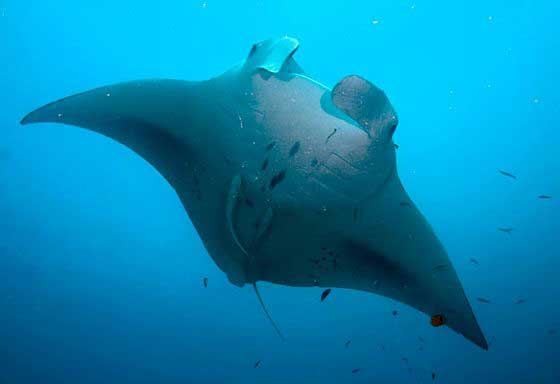
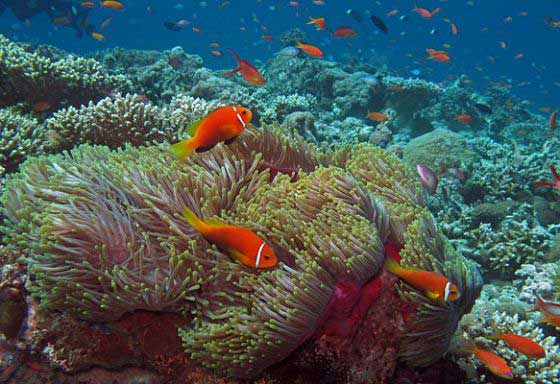
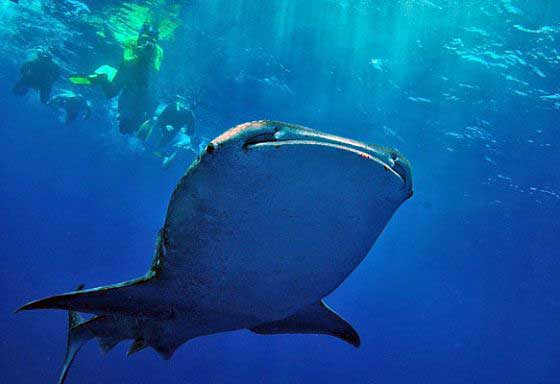
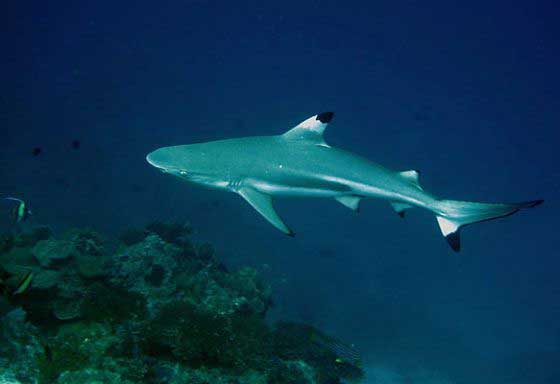
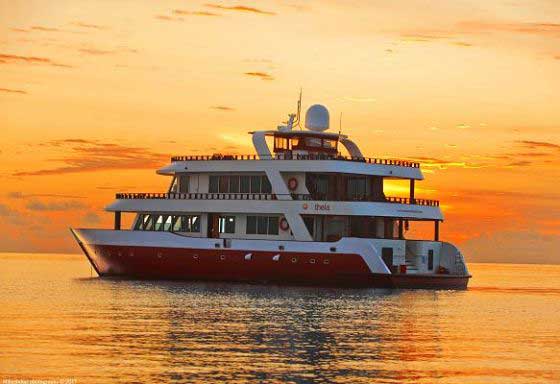
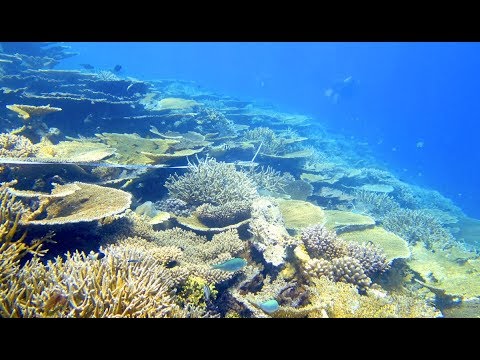
(1) To monitor the health of the Maldivian coral atolls, its fish and invertebrate communities so that informed management, education and conservation decisions can be made by the government and NGOs. Background Many reefs in the Maldives are in a relatively pristine state and of high aesthetic quality. The Maldives Marine Research Station of the Ministry of Fisheries and Agriculture identified a need for further research and monitoring work as far back as 1997. Biosphere Expeditions is addressing this need and is working with Reef Check (RC) and the Marine Conservation Society (MCS) in order to provide vital data on reef health. Data from the coral reef surveys will be used at international, regional and national levels to provide a ‘status report’ on the health of Maldivian reefs. At the national level, it will be used to help make informed management and conservation recommendations. Surveys will be carried out both inside and outside current Maldivian Marine Protected Areas (MPAs) to continue the work of the Marine Conservation Society, which is investigating the impact of MPAs on fish and coral populations. As regards whale sharks, during transfers between the Reef Check dive sites, the expedition will endeavour to record presence / absence of whale sharks from the vessel. If there is the opportunity, the expedition will enter the water with the sharks and attempt to take pictures of their gill area. Gill areas photographs are being used by the Maldives Whale Shark Research Programme to record presence / absence of whale sharks in the archipelago. Photos of the markings in and around the gill / pectoral fin areas are unique (like a human fingerprint) for each individual. The Maldives Whale Shark Research Programme can then match one individual's unique markings with the photographic record and add that image and the whale shark’s location to their database, and see if it has been recorded before, and from where. This will then allow conservationists at the Maldives Whale Shark Research Programme to map where individual sharks go, how often they are recorded at individual locations, and whether further protection mechanisms are needed for individual hotspot locations. Coral reef structures of the Maldives archipelago are extraordinarily diverse and rich. The fish populations of the Maldives are also exceptionally rich in terms of diversity and biomass. Shark fishing within the atolls was banned by the Maldivian government in 2008, and their numbers appear to be increasing, and small reef sharks are still commonly observed in Maldivian waters. Many thillas lie in areas of strong current, and can be visited at times when jacks, snapper and shark forage for their prey. These reefs are ‘fed’ by the channels between the outer barrier reef that punctuate this vast archipelago, where the diving can be exciting. The unique location and geology of the Maldives also makes it a rich area for filter feeding whale shark and manta rays, with observations of these species an exciting event for those on board live-aboard dive trips. Dives range from thillas, walls, fore and back reefs, where gently sloping reefs are covered by hard corals, and the regionally abundant black tube coral, Tubastrea. All of our survey dives are to a maximum 18 metre depth, which generally are the shallow water areas that provide the richest coral growth. Study species A coral reef is composed of a myriad of species and it is impossible to name them all here. However, during our Reef Check surveys (see below for more information on Reef Check methodologies) and the whale shark work, we will be concentrating on a number of indicator organisms such as:
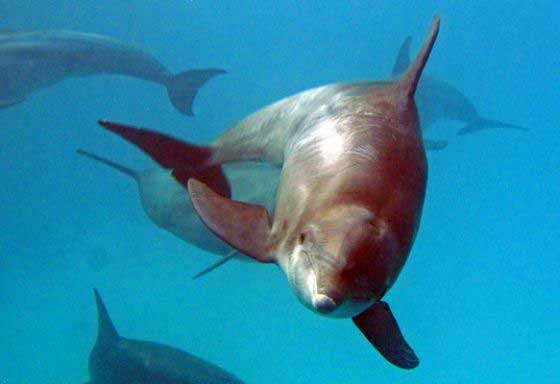
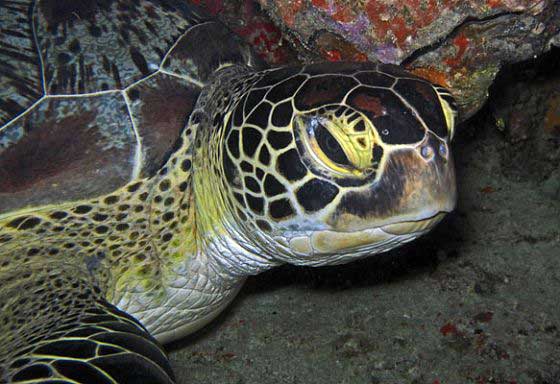
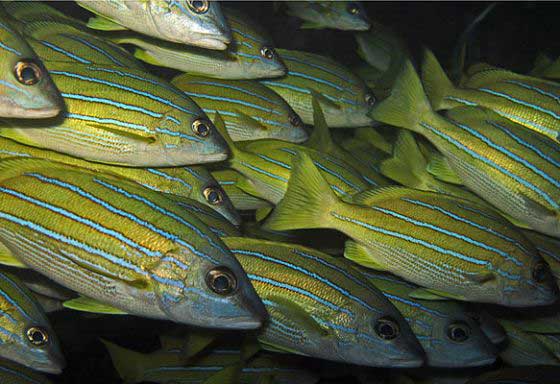
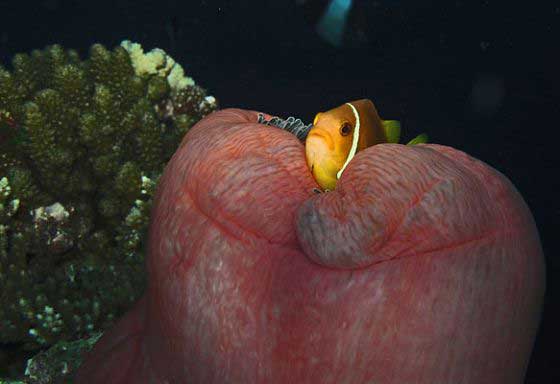
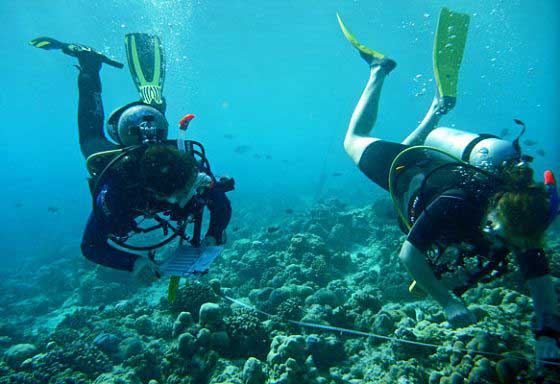
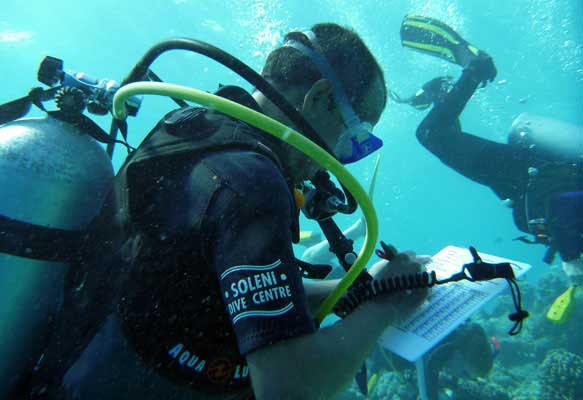
Grunts (a group of fish, belonging to a taxonomic family called the Haemulidae) Groupers (Seranidae) Other landmark species present: Spinner dolphins, manta ray, hawksbill and green sea turtles, grey, black tip and white tip reef sharks. Expedition work You will spend the first couple of days with training in and out of the water. The expedition leader and the local scientist will prepare you for your fieldwork tasks and explain the research methods and goals. Talks are organised to make you familiar with safety, the equipment, the research (and your part in it) and the area in which it will happen. Open water dives are organised so that everyone can get comfortable in the water again and put into action the fish, invertebrate and other ID skills, as well as photography procedures taught before the actual survey work begins. Once you are trained up, your tasks will be predominantly dive-based and consist of several distinct underwater activities with the team split into buddy pairs. Depending on what your assignment is on the day, you and your buddy will, for example, be recording fish or invertebrates along the transect, or recording what kind of substrate (hard or soft coral, sand, rock, etc.) covers the bottom along the transect. Covering a transect will take you about one hour and you will dive up to four transects per day. During the course of the expedition, you will be laying transects in different locations all over the reef. You may also be scrambling to record data concerning whale sharks we come across whilst transferring between dive sites and racing to enter the water to take gill ID photographs. Research area The Maldives or Maldive Islands, officially Republic of Maldives, is an island country in the Indian Ocean formed by a double chain of twenty-six atolls stretching in a north-south direction off India's Lakshadweep islands. The atolls of the Maldives encompass a territory spread over roughly 90,000 square km. It features 1,192 coral island, of which only about two hundred are inhabited. The Republic of Maldives's capital and largest city is Male', with a population of around 100,000. Traditionally it was the King's Island, from where the ancient Maldive royal dynasties ruled and where the palace was located. The Maldives is the smallest Asian country in both population and area. Over 2000 species of fish have so far been catalogued, including reef sharks, moray eels, and a wide variety of rays such as manta rays, stingrays and eagle rays. The Maldivian waters are also home to the whale shark. Sharks, turtles, anemones, schools of sweetlips and jacks, eels, octopus and rays are also found in Maldivian waters. To date at least 209 hard coral species have been described from over 60 genera. 51 species of echinoderms, 5 species of sea grasses and 285 species of alga have also been identified. The Maldives are considered one of the best places in the world for underwater photography. Sights such as vast schools of thousands of fish or groups of up to 30 manta rays or eagle rays are frequently seen in and around the Maldives. Partners On this project Biosphere Expeditions is working with Reef Check, the Marine Conservation Society, the Maldives Marine Research Centre (MRC) of the Ministry of Fisheries and Agriculture, the Maldives Whale Shark Research Programme and the MV Carpe Diem. Data will also be used in collaboration with the Global Coral Reef Monitoring Network and the University of York, which has a department of conservation. Our long-term dataset is not only of interest to conservationists working on monitoring the global status on reefs, such as those from the United Nations Environment Programme, the World Conservation Monitoring Centre and the International Coral Reef Action Network (ICRAN), but more locally too, especially as regards the effectiveness of current Maldivian Marine Protected Areas in their ability to protect and recover significant numbers and biomass of commercially important finfish. The project is generously supported by Soneva through the Six Senses Resorts & Spas Social & Environmental Responsibility Fund.
Maps
Pictures
Video
Press
Feedback
"We have been priviliged to be on the expedition. This group has really worked well together and the boat crew have been really helpful and it has to be said that the food was the best I have ever had on a boat. You are in for a treat. Another great expedition – see you again."
"Oh what an expedition! Are they all like this? I feel lucky to have it as my first. SCUBA diving is a fantastic experience, but diving for the environment is another thing. Doing it in such a well-organised, task-oriented, yet friendly and harmonious way wherever we go was a delight. I am pleased to have made this step and look forward to repeating it again."
"All credit to Matthias, Rita & crew. I have had a wonderful week, learnt so much. The expedition has helped me to understand the complex and frail reef environment and I hope to sign up again in the future."
"It was a great experience and I would like to come again. Thank you very much for this week. I will recommend Biosphere Expeditions."
"Really enjoyable, good team, thank you!"
"Thankyou very much for providing me with the opportunity to join this expedition. I learnt so much and met great people I will stay in touch with. Thanks again – I very much appreciate what Biosphere Expeditions does."
"I had a great time and learned a lot. Hope to do the expedition again next year."
"Thank you for a great outing!" "You have created something big with Biosphere Expeditions and I wanted to thank you for letting me be part of it. My experience with you was not only extraordinarily enriching and beautiful, but it has also put many wheels in motion in my life, amongst other things a new understanding of wildlife and nature, as well as a deep personal friendship. My expedition has been one of the most inspirational and formative experiences of my life. THANK YOU!” “This is one of the most beautiful places I have ever been to and itfelt like a real privilege to wake up here and go out diving with thescientists.”
“What a wonderful experience. One that will stay with me for the rest of my life.”
“Congratulations for the Biosphere Expeditions idea and the way the staff carries it through with their enthusiasm. I came across you on the internet by chance and your information materials and the way my questions were answered persuaded me to dare come on the expedition. Once in the field my expectations were more than fulfilled. The team was great, as was the food and I gained a real insight into how wildlife research and conservation works on the ground. I'll be back!”
BriefingThe briefing contains very detailed information on this project, including instructions on how to get to the assembly point, what you will be doing whilst on the project and who your expedition leader and scientists will be. Briefings are provided as pdf documents and you must provide a name, country of residence and valid e-mail address to be able to download one. You can access briefings via the Download Centre.
|
|||||||||||||||||||||||||||||||||||||||||||||||||||||||||||||||||||||||||||||||||||||||||||||||||||||||||||||||||||||||||||||||||||||||
| ||||||||||||||||||||||||
| © Biosphere Expeditions, a non-profit organisation |
| Site by D.V.S |